
HOW TO COOK IT
Roasting guide
Times and temperatures for every joint, from our butchers. Wherever you can, use a meat thermometer.
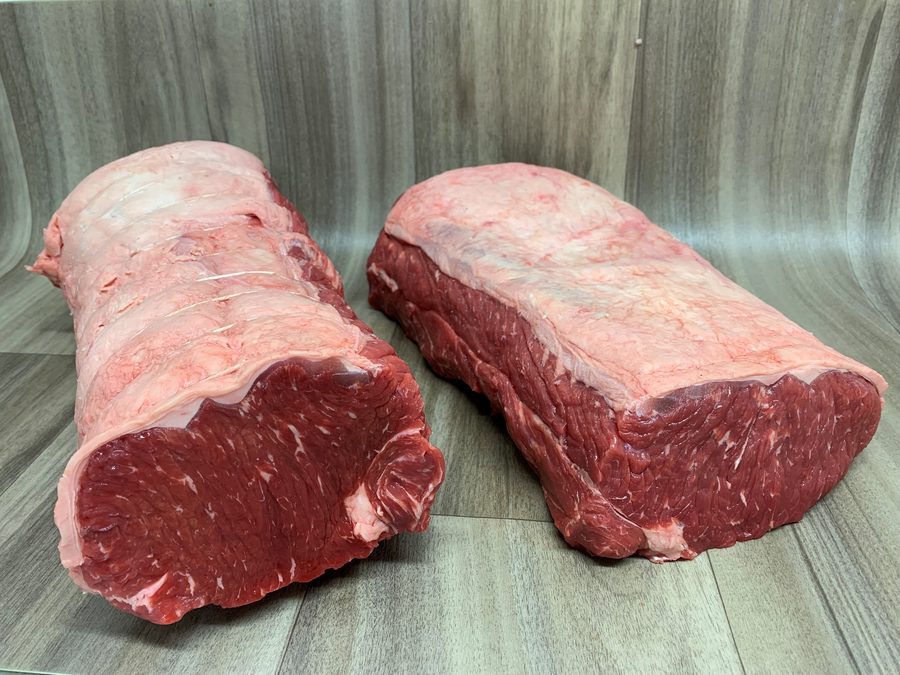
| Joint | Preparing | Cooking | Finishing |
|---|---|---|---|
| Beef | Take out of the fridge 20 minutes before cooking. Fat side up. Season. | 190°C / Gas 5. Rare: 20 mins per 450g + 20 mins. Medium: 25 mins per 450g + 20 mins. Well done: 30 mins per 450g + 25 mins. | Rest for 20 mins under loose foil. |
| Lamb | Take out of the fridge 20 minutes before cooking. Fat side up. Season. | 190°C / Gas 5. 25 mins per 450g + 25 mins. | Rest for 20 mins under loose foil. |
| Pork | Stud the rind with garlic or sage if you like. See our crackling guide below. | 190°C / Gas 5. 25 mins per 450g + 30 mins. | Rest for 20 mins, uncovered, to keep the crackling crisp. |
| Gammon | Boil, roast, or both. Brush with a glaze to roast. | Roast at 190°C / Gas 5 for 20 mins per 450g + 20 mins. To boil, bring to the boil, then simmer gently. | Check it’s fully cooked, then rest. |
| Turkey breast | Boned, rolled and stuffed. Cover with slices of bacon or pancetta, or smear with butter, and tent with foil. | 200°C / Gas 6. 18 mins per 450g + 20 mins. | Uncover for the last 20 to 30 mins to crisp the skin. Ready at 75°C. |
| Duck or goose | Dry the skin, rub with oil and salt, prick all over, and sit on a rack. | 220°C / Gas 7 for 1 hour, then 190°C / Gas 5. 20 mins per 450g + 20 mins in total. | Uncover for the last 30 mins, baste lightly, and return to crisp. |
Always heat the oven first. Fan ovens: turn the temperature down by 10 to 20°C. All timings are approximate, as ovens vary. Joints shouldn’t go in straight from the fridge: let them come up to a cool room temperature first. Use a meat thermometer to check: most meat carries on cooking as it rests, so take it out about 5 to 10°C below the temperature you want. Poultry should reach 75°C before serving; beef and lamb can be a little less, depending on how you like them.
Perfect pork crackling
- Ask us to score the rind deeply for you.
- At home, make sure the skin is really dry.
- Brush with oil and sprinkle with salt, then leave it uncovered for 30 minutes before it goes in the oven.
- Roast at 190°C / Gas 5 for 25 mins per 450g + 30 mins.
- Don’t cover or baste the joint while it cooks.
- Rest for 20 minutes, uncovered, to keep the crackling crisp.
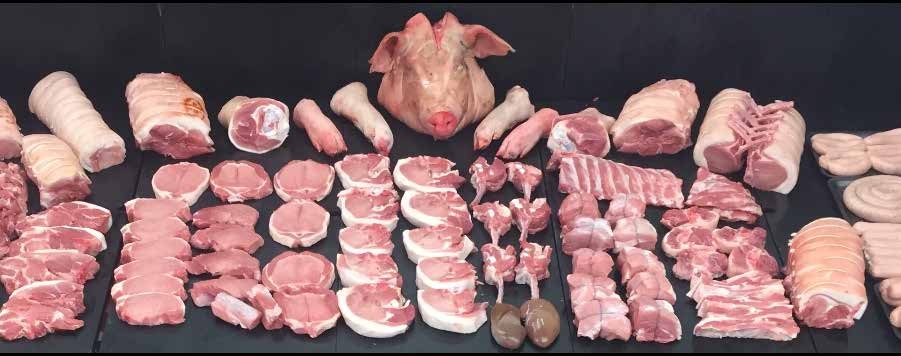
TIPS FROM THE Q GUILD OF BUTCHERS
Buying, carving and leftovers
- How much to buy. Allow about 200g per person for a boneless joint, and a bit more for a joint on the bone, such as a rib. We’re always happy to advise.
- Choosing a joint. For beef, sirloin, topside or rib. For lamb, leg or shoulder. For pork, loin is the showpiece, but it needs care so it doesn’t dry out; shoulder, belly and leg are more succulent.
- Ham or gammon? Ham is the slices from a cooked gammon. Buy ready-to-eat ham, or a gammon joint to cook at home: roast it with a honey or marmalade glaze, or simmer it in apple juice or cider with herbs.
- Carving without waste. Use a sharp knife and a carving board, and carve across the grain.
- Leftover beef is lovely with horseradish and rocket in a chunky white bread sandwich.
- Leftover lamb goes well in a spicy curry, a Moroccan tagine or a shepherd’s pie.
- Leftover gammon and ham are great in soups, omelettes, or with a fried egg and chips.
- Leftover pork is good in salads, a stir-fry or fried rice.
- Homemade stuffing. Skin your favourite sausages or use flavoured sausage meat, add cranberries or orange rind, and roll into small balls.
Adapted from the Q Guild of Butchers Christmas leaflet. We’re proud Q Guild members.
Mock-up note: all times now follow the Q Guild of Butchers’ Christmas cooking insert, as agreed on 2 Nov. These match your 2025 brochure. One pork method only. Q Guild buying, carving and leftovers tips added from their Christmas leaflet.